
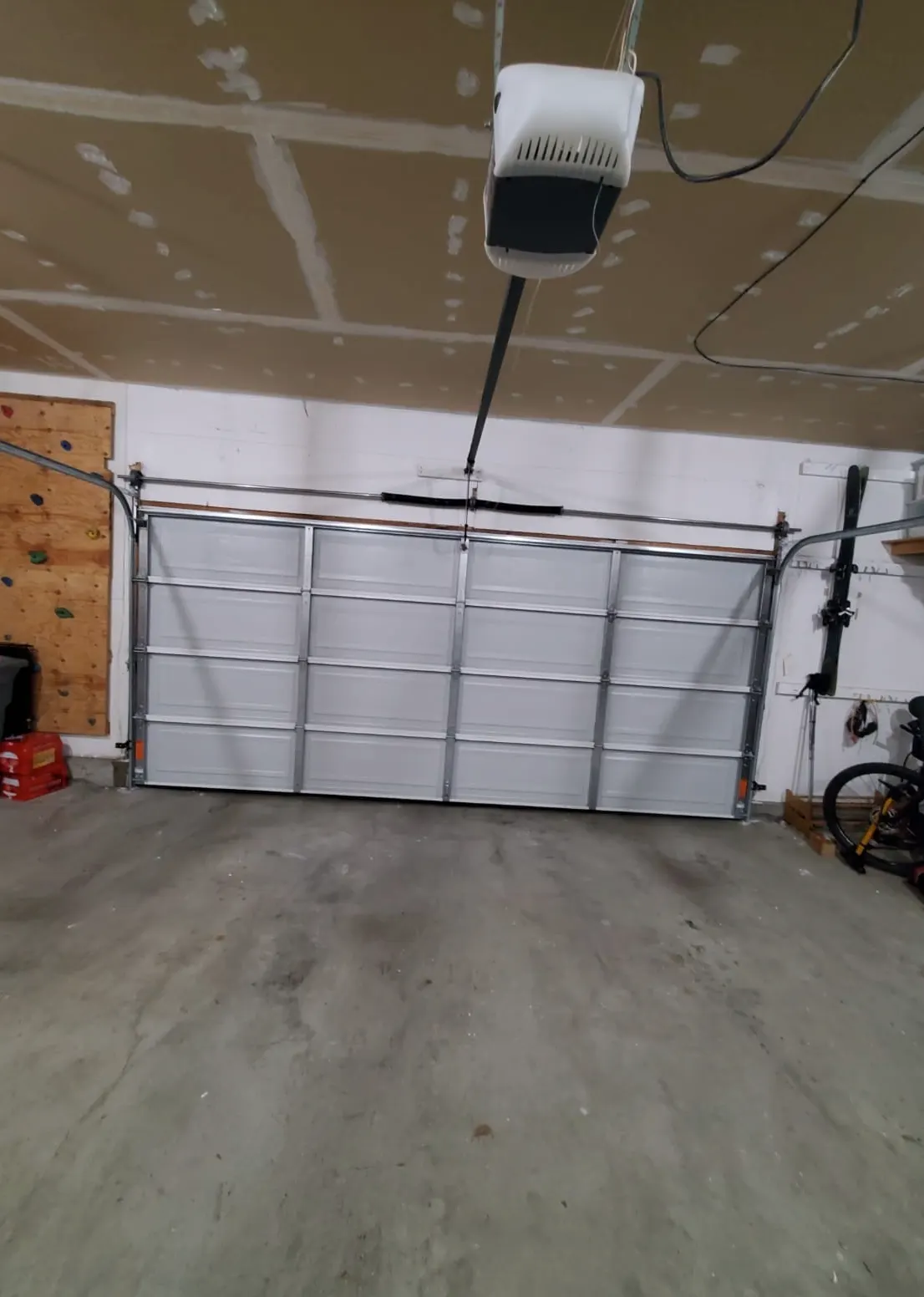
The rule that settles the argument
If there is any chance you'll ever park a car in that garage again, or sell the house someday, treat the garage door like a garage door: keep it fully working, serviced, and up to wind code, even if the inside now looks like a CrossFit box or a woodshop.
The exceptions are narrow. If the opening has been permanently framed in with insulated wall and the door itself was removed (not just disconnected), you're no longer dealing with a garage door problem, you're dealing with a renovation. And if you've got a second bay that stays a real garage while the other half becomes the gym, only that second door needs the full-service treatment. Everything in between — door still installed, still rolls up and down, room just doesn't get used for parking — still counts as a working garage door, and it still needs the attention one requires.
Why "it's just a gym now" doesn't change what's required
Two things don't care what you call the room: your homeowner's insurance and the next buyer. Insurance policies and wind-load compliance are tied to the structure, not its current use, which matters here given hurricane-season wind rules for garage doors. A door that's been neglected because "nobody opens it" can fail a wind-load inspection or an insurance review just the same as one that gets used daily. And when you sell, a non-functioning garage door reads as a repair bill to any buyer, converted room or not. Most buyers also assume garage space can be converted back, so the door staying serviceable protects your resale flexibility even if you never touch it again personally.
What actually changes when the garage becomes a gym
Rubber flooring and foam mats trap moisture against the slab, and in a humid climate that moisture has nowhere to go. It migrates up into the bottom seal of the garage door, which swells, softens, and eventually lets water and bugs in during afternoon downpours. Sweat and spilled water add to the humidity load inside a space that was never meant to be sealed up tight. The result is often faster rust on the bottom bracket, torsion springs, and track hardware than you'd see in a door that's opened regularly and allowed to air out.
Heavy equipment also means vibration. Squat racks, treadmills, and drop weights transmit shock through the slab and into the door's tracks and roller brackets over time, which can work screws loose and nudge tracks out of alignment even if nobody ever touches the door itself.
Workshop version of the same problem
Sawdust and metal shavings get into roller bearings and track channels the same way dirt does, just faster, because a workshop generates debris constantly. Fumes from paint, stain, or solvent accelerate corrosion on springs and hardware. And workshops often mean the door gets opened for ventilation during use, then closed and sealed the rest of the time, which creates its own humidity cycling as the space heats up during the day and cools at night.
The "we barely open it anymore" trap
This is the part that causes the most arguments, and both spouses are usually half right. Opening the door less often does reduce wear on rollers and the opener's moving parts. But it does not stop springs from losing tension over time, and it does not stop lubricant from drying out, since both happen on a clock, not a usage counter. A door that sits closed for months can seize up, develop a cracked seal, or have an opener with sensors nobody has tested in a year. When you finally do need to open it, for moving equipment in or out or dealing with an emergency, that's exactly when a neglected door is most likely to let you down.
A good middle-ground habit, especially heading into the calmer, drier stretch after hurricane season winds down: open and close the door fully a couple of times a month even if you don't need to, and do a visual check of the springs, cables, and bottom seal while you're at it. It takes two minutes and tells you if something's drying out, rusting, or sagging before it becomes a Saturday-afternoon problem.
What to actually decide, together
- Keep full function if there's any chance of reverting the space, if you plan to sell within the next several years, or if the space still needs ventilation the door provides.
- Consider insulating the door itself (not just the walls) if the gym or shop runs AC or needs temperature control, since an uninsulated steel door radiates heat straight into the room during the day.
- Don't skip maintenance just because usage dropped. Reduced use lowers mechanical wear but doesn't slow down rust, seal degradation, or spring fatigue.
- Address moisture at the seal if the room generates sweat, humidity, or spilled water, since that's the number one accelerant for rot and rust in this climate.
When to call Precision Garage Door of Greenacres
If the room conversion is done and the door hasn't been checked in a while, a Garage Door Tune-Up & Maintenance visit is the right starting point. We'll check spring tension, inspect the bottom seal for swelling or gaps, test the opener's safety sensors, and lubricate the hardware that humidity tends to dry out fastest. If you're already seeing rust on cables or rollers from gym sweat or workshop moisture, Cable & Roller Replacement is usually a faster and cheaper fix than waiting for a full breakdown. Either way, we'll tell you honestly whether the door needs attention now or can wait, no upsell, just a straight answer.
Settle the argument and get a professional opinion on the door, not the gym equipment. Call Precision Garage Door of Greenacres today and we'll get a technician out to check it properly.